-

-
Guangzhou Zhongzhu Machinery Co. LtdSand casting molding machine manufacturer
-
008613926238353 WhatsApp:
-
E-mail: 470199755@qq.com
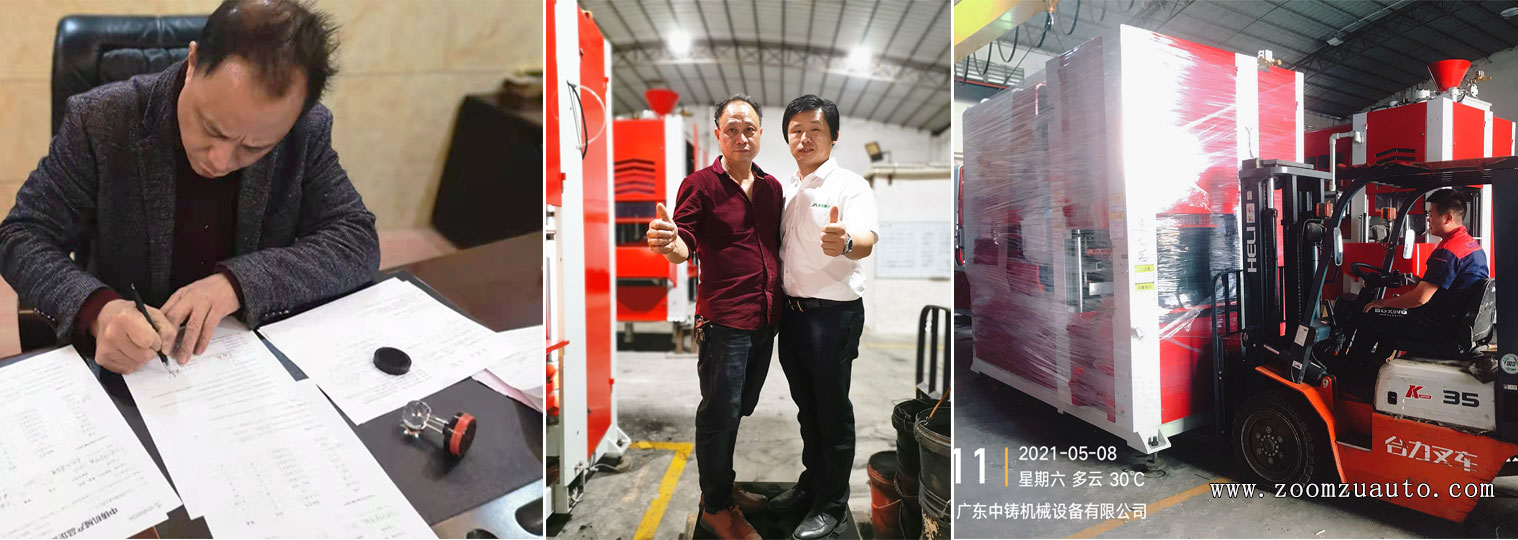
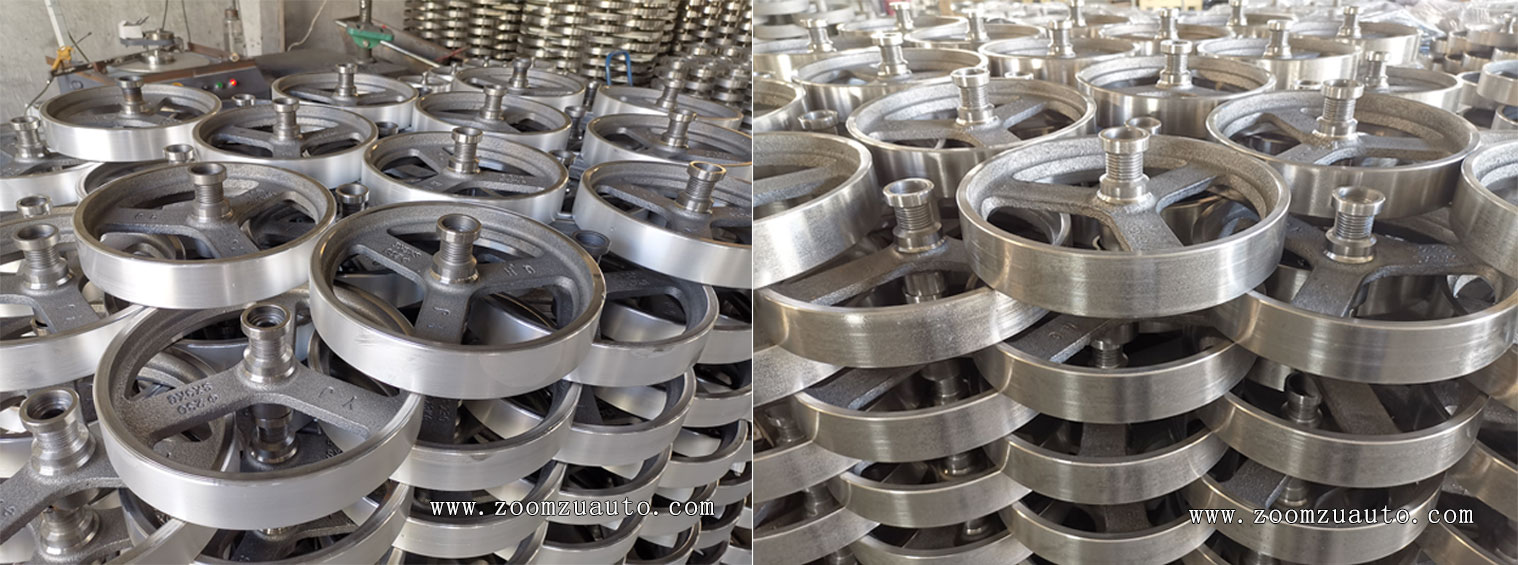
In April 2021, Zoomzu signed a customized automation cooperation project with a fitness equipment gray iron casting factory. The client was a family-run small foundry relying entirely on manual green sand molding, facing two core operational bottlenecks: severe labor shortage for molding workers and continuously rising casting production costs.
Limited by narrow workshop space and tight early investment budget, the client could not deploy a full-automatic large-scale casting line. We customized a cost-effective semi-automatic sand mixing & molding integrated system specially for their ribbon flywheel casting mass production, completely replacing outdated hand-made sand molds. Before equipment delivery, the client team visited Zoomzu assembly workshop to inspect machine assembly and verify on-site operation performance.
2. Customized semi-automatic green sand casting line configuration
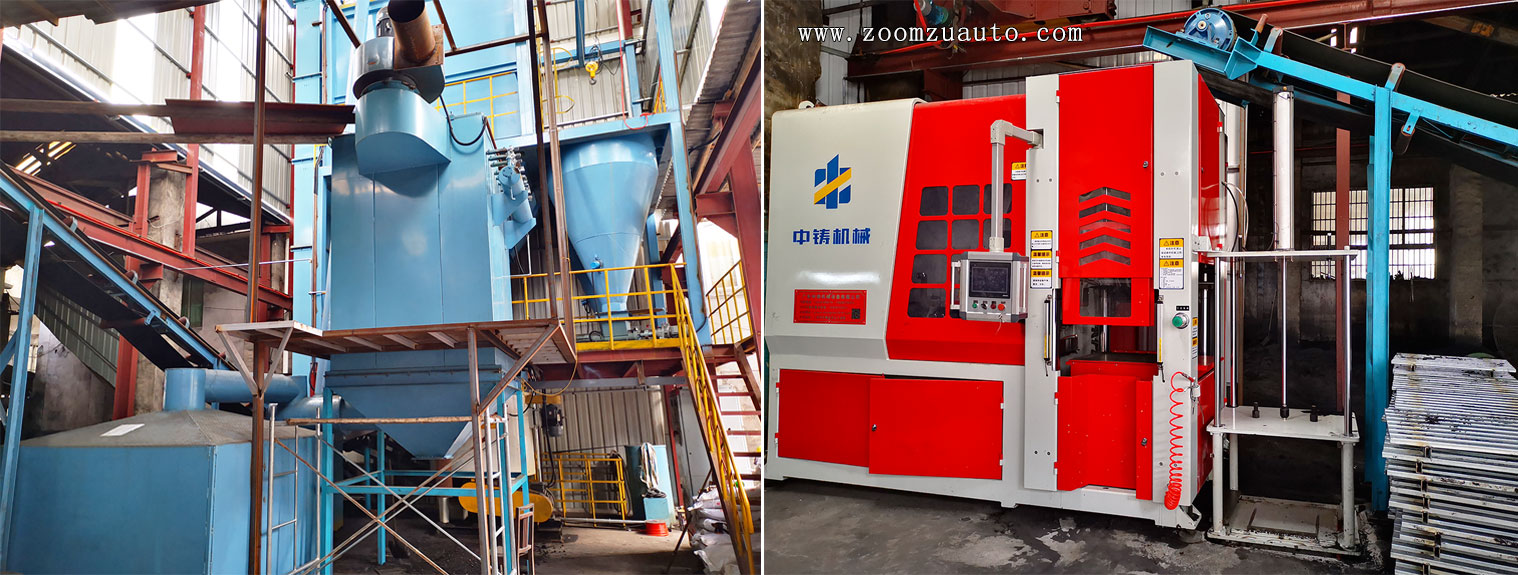
In June 2021, we completed the installation, assembly and commissioning of a complete set of equipment in the customer's workshop. The compact semi-automatic green sand processing system is perfectly matched to the layout of small home foundries and has a total used sand processing capacity of 20 tons per hour. A complete set of supporting equipment includes:
Finished sand mold vibrating shakeout machine
Foundry recycled sand drum screening equipment
Bag dust removal system improves the dust content of foundry sand and ensures breathability
1600mm diameter high speed rotor sand mixer ,The sand mixing station adopts an 11-meter-high factory layout and is equipped with automated raw material storage warehouses. The system realizes timing and quantitative automatic feeding of molding sand raw materials, reducing manual feeding labor.
Core parameters of automated casting molding host:
Sand mold size: 550mm×650mm
Molding efficiency: 85 sand molds/hour
3. Horizontal parting process of fitness flywheel castings
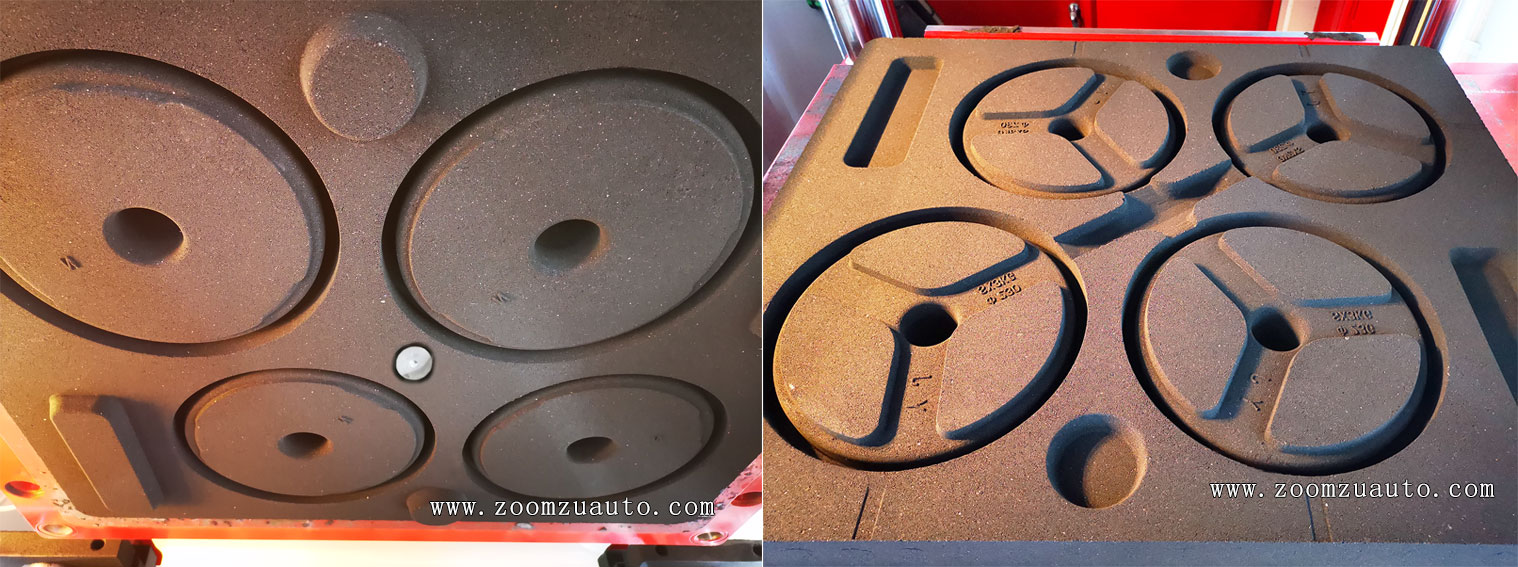
This machine adopts horizontal splitting sand compaction technology specially customized for fitness flywheel castings. Each sand mold cavity can produce 4 flywheel castings at the same time, greatly increasing the output of a single batch.
Casting material: gray cast iron (HT)
Weight of molten iron per mold: 12kg–18kg
Pouring system design: The gate is set in the center of the mold; an exhaust channel is reserved on the side of the sand mold parting surface to enhance the exhaust during sand mold pouring and reduce the expansion pressure caused by the high temperature inside the sand mold.
Advantages of manual pouring: no additional sandbox or ballast is required after mold compaction, saving auxiliary tool costs and operating steps.
4. Daytime Molding & Night Pouring Production Workflow
The customer adopts a split-shift production mode to balance workshop labor and equipment utilization:
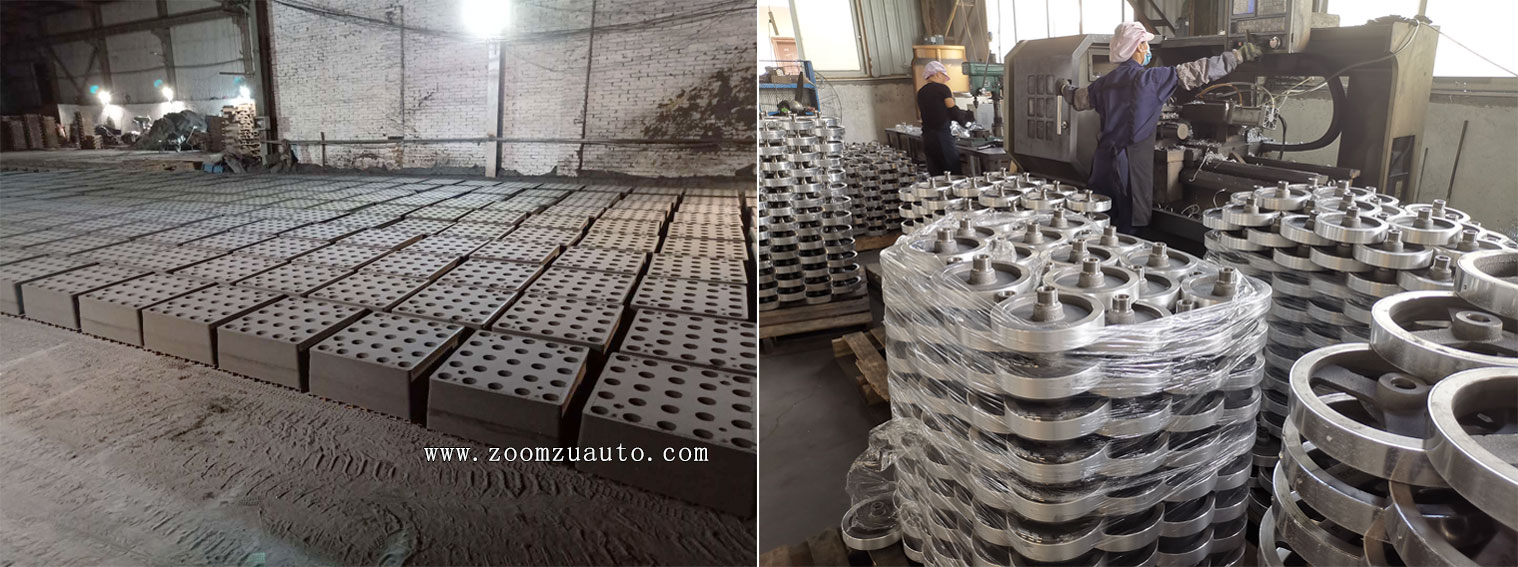
Afternoon shift: Workers complete batch sand mold production via automated molding machines and neatly stack finished molds in the casting area.
Evening shift: Special pouring workers uniformly fill molten iron into all prefabricated sand molds.
Natural cooling overnight: Molds stay undisturbed until next morning.
Mold shakeout & sand recycling: Workers take out finished flywheel castings; waste sand is water-cooled and stacked for natural cooling by forklift.
Post-processing: Castings go through shot blasting cleaning, then enter CNC workshop for turning holes and deburring.
5. Automation Benefits vs Traditional Manual Sand Molding
After long-term stable production operation, the semi-automatic casting molding line brings tangible economic and production advantages compared with fully manual molding:
Stable casting quality: Precise sand mold compaction effectively controls single casting weight consistency and overall casting yield, lowering reject rate.
Solve labor recruitment crisis: Automatic molding reduces dependence on experienced senior molding workers, avoiding labor aging and staffing management troubles.
Boost overall output: Continuous high-speed molding (85 molds/hour) greatly raises daily casting capacity without expanding workshop area.
Cut comprehensive production cost: Lower labor expense, reduced sand waste and fewer casting defects jointly reduce unit casting manufacturing cost.